Source Floorstanding Human Hair Mannequin Head for Retail
Explore 30 options for the floorstanding human hair mannequin head, featuring fiberglass and polyethylene materials. Compare wall-mounted and floorstanding designs with matte finishes and stainless steel bases for wig display, jewelry presentation, and clothes shop applications; compare the available evidence and request quotations based on your requirements.
Key considerations
Products List





Comprehensive Sourcing Guide
Floorstanding Human Hair Mannequin Head Sourcing Guide
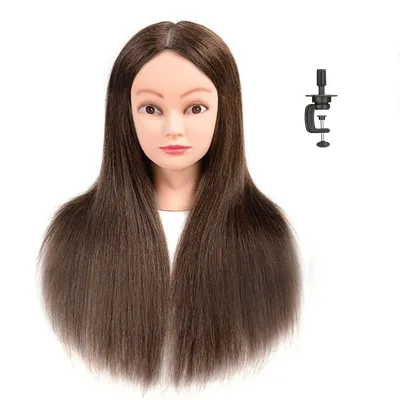
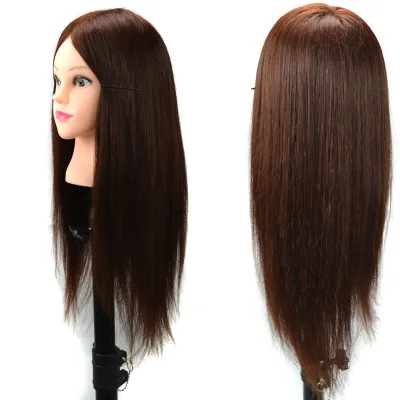
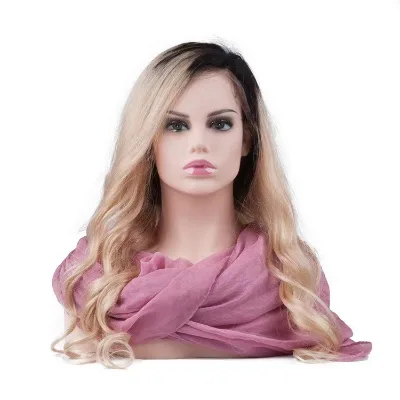
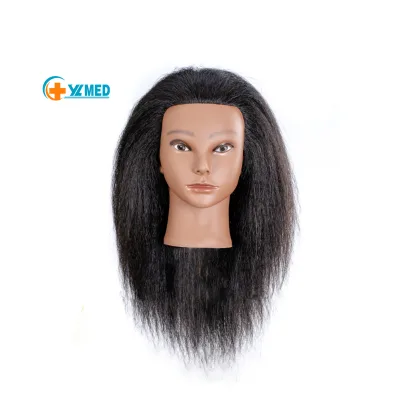
Procuring floorstanding human hair mannequin heads requires distinguishing between display-only units and those designed for active styling practice. The observed market includes specialized models featuring human hair attached to a fiberglass or polyethylene base, specifically intended for wig fitting, hat display, and jewelry presentation. Buyers must verify that the selected unit supports the intended floorstanding configuration, as some listings specify wall-mounted alternatives that would fail in a retail environment requiring stability.
The core keyword signals a need for durable construction capable of supporting the weight of heavy wigs or hats without tipping. While some products are marketed for abstract head displays with matte finishes, the specific requirement for human hair implies a need for a realistic texture and a robust internal structure. Sourcing teams should prioritize listings that explicitly mention human hair materials and floorstanding bases, ensuring the product aligns with the physical demands of a busy salon or retail floor.
Product Scope and Observed Listing Signals
The available product scope reveals a diverse range of materials, including fiberglass, polyethylene, and units explicitly described as mannequin heads with human hair. Listings indicate that customization is widely available for size, gender, and color, with specific models like the TF-78 and WT-040 offering distinct specifications such as height and weight. Buyers should note that while some units are designed for general clothes shop displays, others are tailored for teaching or practice, necessitating a clear definition of the end-use before selection.
Observed listing signals highlight the importance of the hanger type and base construction in determining the final utility of the product. The market data shows a split between wall-mounted and floorstanding options, with the latter requiring a stainless steel base for stability. Additionally, packaging details vary from simple cartons to standard export cartons with PP or PVC bags, which can impact shipping costs and the condition of the human hair upon arrival.
Technical Specifications to Verify
Technical verification must begin with the material composition, as the choice between fiberglass, polyethylene, and human hair directly affects durability and realism. Buyers should confirm the specific weight and dimensions, noting that observed standards include weights of 550g for 6-inch models and 1500g for 46cm units. The surface finish, often described as matte white or abstract, should be inspected to ensure it meets the aesthetic requirements of the intended display location, whether a shopping mall or a training center.
The structural integrity of the floorstanding base is a critical technical parameter that cannot be overlooked. Specifications indicate the use of stainless steel bases for stability, but the exact dimensions and weight distribution must be confirmed to prevent tipping under load. Furthermore, the customization of the model number and standard height, such as the 48.5cm standard observed in some listings, must be validated against the physical space available in the retail or salon environment.
Compliance and Safety Documentation
Compliance verification is essential when sourcing products that may come into direct contact with customers or trainees. The observed market data includes SGS certification as a documented standard for some units, which serves as a baseline for material safety and quality assurance. Buyers should request current certification documents to ensure that the materials used, particularly the human hair and base components, meet relevant safety standards for the target market.
Safety documentation must also address the stability of the floorstanding unit to prevent accidents in high-traffic areas. While specific safety test results are not universally listed, the presence of a certified base and the adherence to standardized dimensions suggest a focus on structural reliability. Procurement teams should verify that the supplier can provide evidence of compliance with local safety regulations regarding display fixtures, ensuring that the product does not pose a tipping hazard.
Cost Drivers and Commercial Terms
Cost drivers for floorstanding human hair mannequin heads are heavily influenced by the material quality, specifically the inclusion of human hair versus synthetic alternatives. The observed price range of 3.9 to 150 USD reflects this variance, with higher costs associated with realistic hair textures and specialized customization options. Buyers should analyze the total cost of ownership, considering that premium materials often justify a higher initial price through longer service life and better customer perception.
Commercial terms such as MOQ and lead time significantly impact the procurement strategy and inventory planning. The market shows an MOQ range from 1 to 500 units, with a specific observation of 20 pieces for certain models, while lead times typically span 15 to 20 days. Sample times of 3 to 7 days allow for quality verification before bulk ordering, but buyers must account for the full production cycle to avoid delays in stock replenishment for their retail or salon operations.
Supplier Qualification and Quality Control
Supplier qualification should focus on the ability to deliver consistent customization and maintain the integrity of the human hair during transit. The observed data indicates that many suppliers offer OEM services and can customize models, but the consistency of the hair attachment and base stability must be verified through sample evaluation. Buyers should assess the supplier's track record in handling fragile items, as the packaging methods, ranging from cartons to export-standard bags, play a crucial role in preventing damage.
Quality control protocols must include a rigorous inspection of the surface finish and the structural connection between the head and the base. Since the product origin is listed as China, with specific locations like Duangguan and Henan, buyers should ensure that the supplier has established quality checks for material consistency and finish quality. The presence of certifications like SGS is a positive indicator, but on-site or third-party inspections may be necessary to confirm that every unit meets the specified standards for weight and stability.
Long-Term Procurement Checks
Long-term procurement checks should prioritize the durability of the human hair and the stability of the floorstanding base over time. Regular inspections are necessary to ensure that the hair does not shed excessively and that the stainless steel base remains secure, especially in high-traffic environments like shopping malls. Buyers should establish a maintenance schedule to clean and condition the hair, preserving the aesthetic appeal and functionality of the mannequin heads for extended periods.
Supplier relationship management is critical for maintaining a steady supply of customized units that meet evolving retail needs. Given the observed lead times and sample processes, buyers should maintain open communication channels to address any changes in specifications or standards promptly. Establishing a reliable partnership with a supplier who can consistently deliver on customization requests and quality standards will ensure that the procurement strategy remains effective and responsive to market demands.
FAQs
Can I customize the size of the mannequin head?
Yes, the size can be customized to meet your specific requirements. The product specifications indicate that dimensions are flexible, allowing you to select a model that fits your display needs perfectly without being restricted to standard fixed sizes.
What material is used for the mannequin head?
The mannequin head is primarily made from fiberglass or polyethylene depending on the specific model. Some variants also feature human hair for training purposes, ensuring durability and a realistic appearance suitable for various retail and educational applications.
Which certifications does the product hold?
The product holds SGS certification, ensuring it meets specific quality and safety standards. This certification provides assurance regarding the material integrity and manufacturing processes used to produce the mannequin heads for commercial and professional use.
How long is the lead time for orders?
The standard lead time for production is between 15 to 20 days. This duration covers the manufacturing process and preparation for shipment, ensuring that your order is completed efficiently while maintaining the high quality expected of the product.
What is the minimum order quantity required?
The minimum order quantity is typically 20 pieces for standard orders. However, some listings indicate an MOQ range starting from 1 piece, so you should verify the specific requirement for your chosen model before finalizing your purchase agreement.
Can I get samples before placing a bulk order?
Yes, samples are available with a production time of 3 to 7 days. This allows you to evaluate the quality, finish, and specifications of the mannequin head before committing to a larger bulk order for your business needs.
What is the packaging method for the product?
The product is packed in cartons or standard export cartons, sometimes with individual PP or PVC bags. This packaging ensures the mannequin heads are protected during transit and arrive in perfect condition for immediate display or use.